
IN-WALL, IN-CEILING AND SOUND BAR AUDIO
In-Wall Speaker & Sound Bar Installation in San Diego
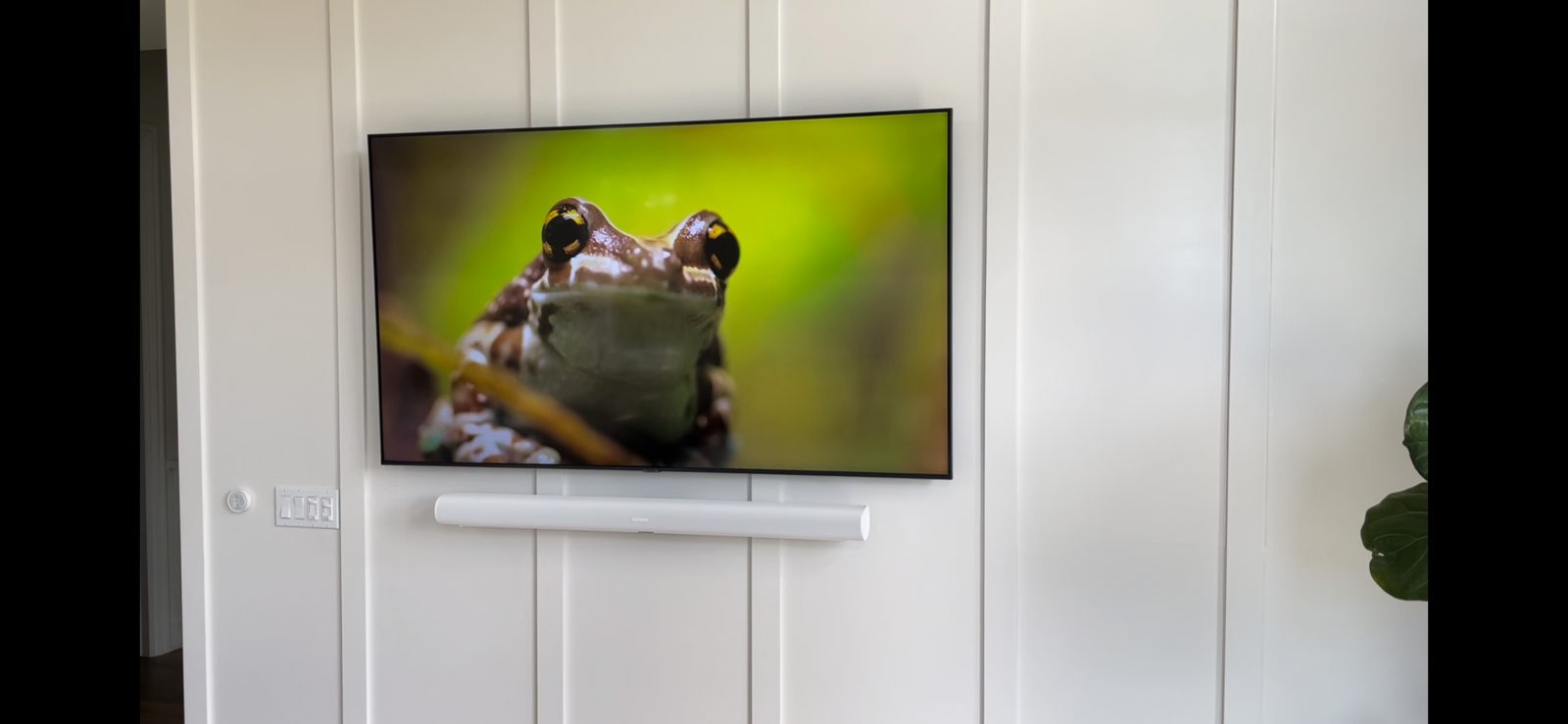
In-wall or in-ceiling speakers for a stealth look, or a sound bar under your TV, with every cable concealed in the wall.
Call for a quote
In-wall and in-ceiling speaker installation
- Inspect area for installation
- Evaluate speaker placement
- Conceal and connect all cables in wall
- 2-year workmanship warranty
Cables not included. We can supply in-wall speakers.
Sound bar installation
- Inspect area for installation
- Evaluate speaker placement
- Conceal and connect all cables in wall
- 2-year workmanship warranty
5.1 and 7.1 surround sound
- Full surround setups designed for your room
- Call or email for a consultation
Frequently asked questions about speakers and sound bars
The questions San Diego customers search for most, answered in detail. Still not sure? Call (858) 224-3140.
What speaker wire is used for in-wall speakers?
Use in-wall rated speaker cable. Sixteen gauge is a common minimum, and 14 or 12 gauge is better, especially when the run from the amplifier to the speaker is longer than about 15 feet.
How deep does the wall need to be for in-wall speakers?
Most in-wall speakers need about 3.5 inches of depth behind the drywall, and most in-ceiling speakers need 5 inches or more. Some in-ceiling models with enclosures are 8 or 9 inches deep. Pipes, ducts, wiring and fire blocking inside the wall also affect where a speaker can go.
Do in-wall speakers need a receiver or amplifier?
No. In-wall speakers are passive, meaning they have no built-in amplifier. They need an external amplifier or an AV receiver, with speaker wire running from it to each speaker.
How much does it cost to install a soundbar?
A basic soundbar install is usually quick: mount or place the bar, connect it to the TV by HDMI ARC or optical, and set it up. Cost depends on whether it is mounted under a wall TV and whether cables are hidden in the wall.
Where should I place speakers in my living room?
Place the left and right speakers at ear height on either side of the TV, angled slightly toward the seat. Center channel goes above or below the screen, and surrounds to the sides.
How do I connect a soundbar without HDMI ARC?
Use an optical cable or the 3.5 mm output on the TV. We can assess the ports on your TV and wire it correctly.
What is the best soundbar for a TV?
It depends on your room and budget. Look for HDMI eARC, a separate subwoofer and good dialogue clarity.
Do I need a subwoofer with a soundbar?
A sub adds low-end punch for movies and music. Some bars include one or have a built-in sub, but a separate one is usually better.
Can you hide the wires for a soundbar?
Yes. We can run the audio and power cables inside the wall so that nothing hangs below a wall-mounted TV or soundbar. That is part of a hidden-wire install, which we do with in-wall rated cable.
Is a soundbar or surround system better?
A soundbar is simpler, cheaper and needs little wiring, which suits small rooms and apartments. A surround system fills larger rooms with more detail, and effects come from around you. If you want in-wall speakers and a receiver, see our Platinum package, which starts at $450 with hidden wiring.
Can you mount a soundbar under a wall-mounted TV?
Yes. A soundbar bracket can hold the bar below a wall-mounted TV, or the bar can sit on a shelf. We position it so it does not block the TV's remote sensor or sit too close to the screen. We can also run the cables inside the wall so the setup looks clean.
How do I connect Bluetooth speakers to my TV?
Many TVs pair with Bluetooth speakers through the sound settings. Bluetooth can add lag, so voices may trail the picture, and some TVs limit what it can connect to. For movies, a wired or HDMI ARC connection is more reliable.
Can you install ceiling speakers?
Yes. Ceiling speakers give a clean look and spread sound across the room. We check the ceiling joists, the wiring path and the receiver, and we place them for even coverage.
What are outdoor speakers and can you install them?
Outdoor speakers are weather-resistant speakers for patios and yards. They are usually passive, so they need an amplifier and outdoor-rated speaker wire, and the layout depends on the size of the area and where power is.
How do I set up a multi-room audio system?
A multi-room system sends music to several zones, using either multi-zone amplifiers or network streaming speakers. We plan the layout, wire the in-wall or ceiling speakers where needed, and set up the control app.
What is a streaming amplifier?
A streaming amplifier combines an amplifier and a network streamer in one box. It can power passive speakers and play music from the internet, so you do not need a separate receiver and streamer. It is a neat option for music-focused rooms and multi-room audio.
How do I fix a soundbar with no sound?
First check that the soundbar is on the right input and that the TV's audio output is set to the soundbar, HDMI ARC or optical. Make sure the cable is firmly seated and not muted. Restarting both devices often fixes it. If it still fails, we can troubleshoot the connection for you.
What speakers sound best for movies?
A 5.1 system with a good center channel for dialogue and a subwoofer for effects is the classic choice for movies. In small rooms, a quality soundbar with a subwoofer does very well. For the best result, speaker placement and room setup matter as much as the speaker brand.
Can I connect my turntable or record player to a soundbar?
Often yes. A turntable needs a phono preamp, which some record players and receivers include, and a soundbar needs an analog input to accept it. Check your model's ports. If it will not work directly, a small preamp usually solves it.
Can you connect speakers to my TV wirelessly?
Some wireless speakers connect through Wi-Fi or a proprietary link, but quality, delay and reliability vary. Wired or HDMI ARC connections are the most dependable for TV sound. If you want wireless rear speakers, certain receivers and surround systems include a wireless kit.
How do I choose a receiver?
Match the channel count to your speakers, such as 5.1 or 7.1, and look for HDMI features your TV and consoles need, such as eARC and 4K or 120 Hz support. Also consider power and room correction.
What is the difference between passive and active speakers?
Passive speakers need an external amplifier or receiver to make sound. Active speakers, also called powered speakers, have an amplifier built in, so you connect the source directly. In-wall and many bookshelf speakers are passive, while many desktop and wireless speakers are active.
What is a bookshelf speaker?
A bookshelf speaker is a compact speaker that can sit on a shelf, stand or console and still give clear, detailed sound. It does not take much space and works well in living rooms and bedrooms. Pair it with a subwoofer if you want deeper bass for movies.
What is a floor-standing speaker?
A floor-standing speaker is a tall cabinet with larger drivers that can play louder and reach deeper bass without a subwoofer. It suits bigger rooms but takes floor space. Placement away from walls and corners matters for the best sound.
How do I improve the sound in my room?
Start by moving speakers away from corners and placing them at ear height. Soften hard surfaces with rugs, curtains and bookcases to cut echo, and use a receiver with room correction. Small changes in speaker position often make a larger difference than buying new equipment.
How do I stop speaker buzzing or humming?
A hum or buzz often comes from a ground loop, a poor cable or interference from a nearby power cord or dimmer. Try different outlets, keep power and signal cables apart, and check connections. If it persists, we can troubleshoot the cabling and equipment for you.
Can you install speakers in a bedroom or office?
Yes. We design compact setups for bedrooms and offices, such as a soundbar, a small bookshelf pair or in-wall speakers, and we keep the cables tidy.
Do you offer a free consultation for speakers?
Speaker and sound bar work is quoted individually, so call (858) 224-3140 or email info@visolutiontv.com, describe the room and what you want to hear, and we will talk through options with you. A photo of the room helps us suggest equipment and placement.
Get a free quote
★ 4.9 on Yelp from 188 reviews · Mon–Sat 9am–5pm